Walk onto any construction project and you’ll quickly notice something: no two people approach a problem in quite the same way.
One person might question whether there’s a better approach. Another might immediately start generating ideas. Someone else instinctively evaluates risk, while another focuses on driving the solution through to delivery.
That diversity of thinking is not a challenge to overcome.
It’s one of the reasons projects succeed.
During Neurodiversity Celebration Week, it’s a good moment to recognise the value of different perspectives; both within our teams and in the environments we help create.

People First
At b&m, one of our core values is People First.
For us, that means recognising that every individual brings something different to the table: different experiences, different perspectives, and different ways of thinking about problems.
Construction consultancy is rarely about individual brilliance. It’s about collaboration; bringing together a range of skills and viewpoints to guide projects from concept through to completion.
Understanding how people naturally contribute to a team helps us create an environment where everyone can do their best work.
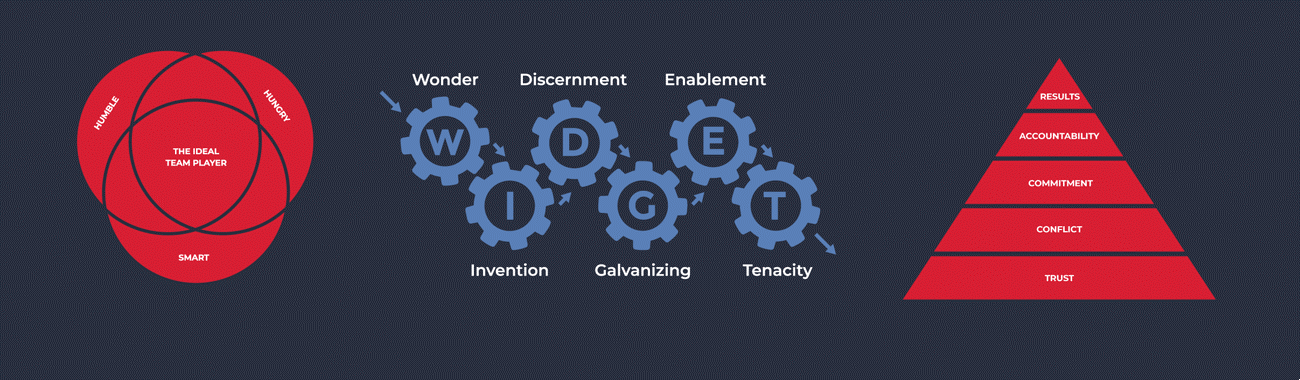
That’s why new colleagues complete the Six Types of Working Genius assessment when they join the business.
The framework identifies six different ways people contribute to work — from Wonder, questioning whether something could be improved, to Invention, generating ideas, Discernment, evaluating options, Galvanising, energising teams, Enablement, supporting progress, and Tenacity, ensuring work is seen through to completion.
No one excels at all six. And that’s the point.
The real strength lies in how different people complement each other.
In many ways, this reflects the broader principle behind neurodiversity; that different ways of thinking can be a powerful asset when teams work together effectively.
© 2026 The Table Group, Inc.
Collaboration in Practice
Every project we work on brings together a wide range of disciplines and perspectives.
Architects shaping the design.
Engineers solving technical challenges.
Contractors delivering the construction.
Clients setting the vision and priorities.
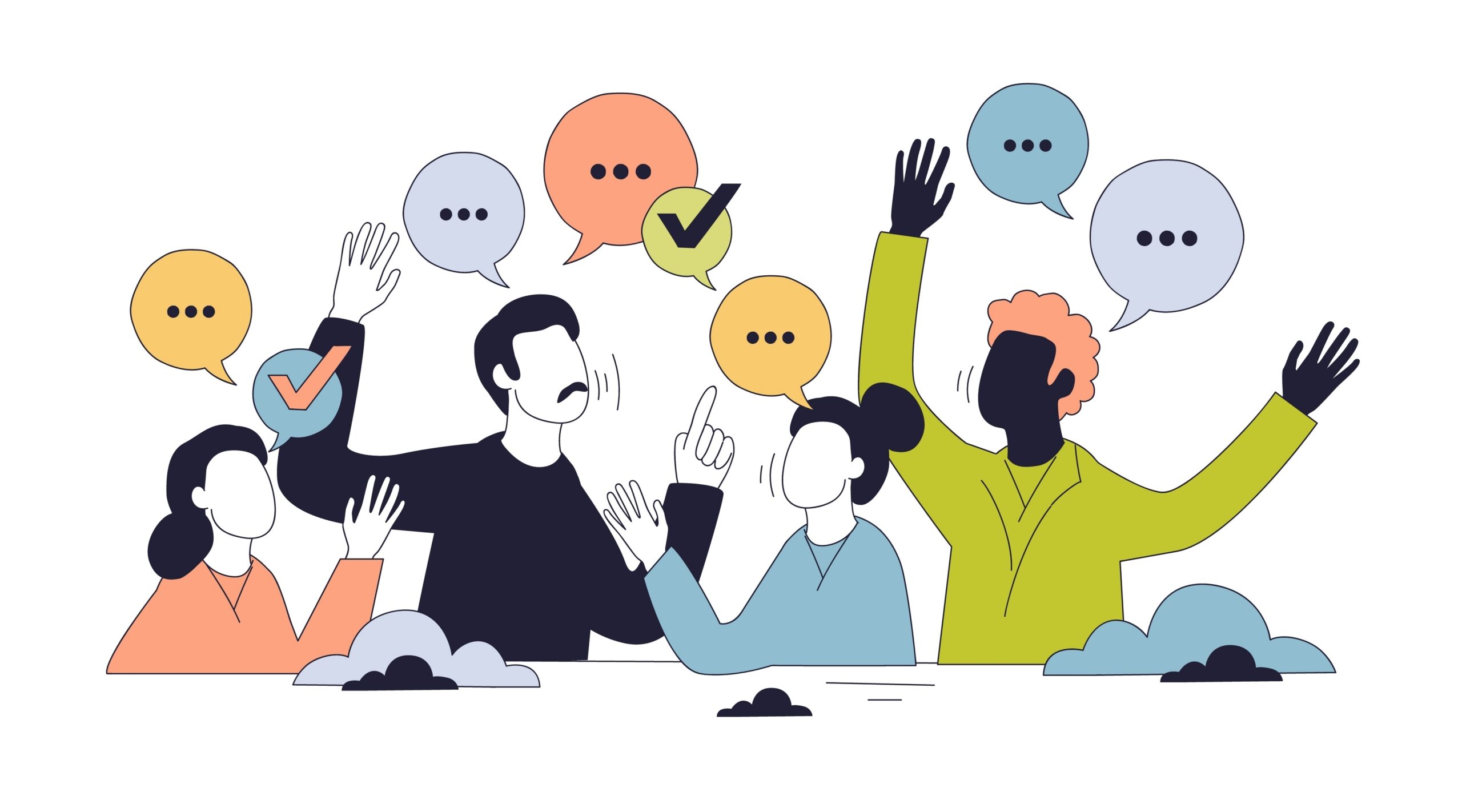
Our role is often to help bring these viewpoints together; ensuring ideas are challenged constructively, risks are understood, and decisions are made with clarity.
The best outcomes rarely come from a single perspective. They emerge from open collaboration and diverse thinking.
Creating Places That Work for People
Neurodiversity also reminds us that the environments we create have a profound impact on how people experience the world.
Across the projects we support, from education and community buildings to cultural venues and wellbeing spaces, the goal is always the same: to create places where people feel comfortable, supported and able to thrive.
For example, at Margate Digital, the ambition was to create an inspiring learning environment for students exploring careers in digital and creative industries.

Projects such as the Five Acre Wood School Hydrotherapy Pool focus on providing spaces that support pupils with complex needs through carefully designed therapeutic environments.
And places like Cyclopark demonstrate how thoughtfully designed community facilities can bring people together through accessible recreation and activity.
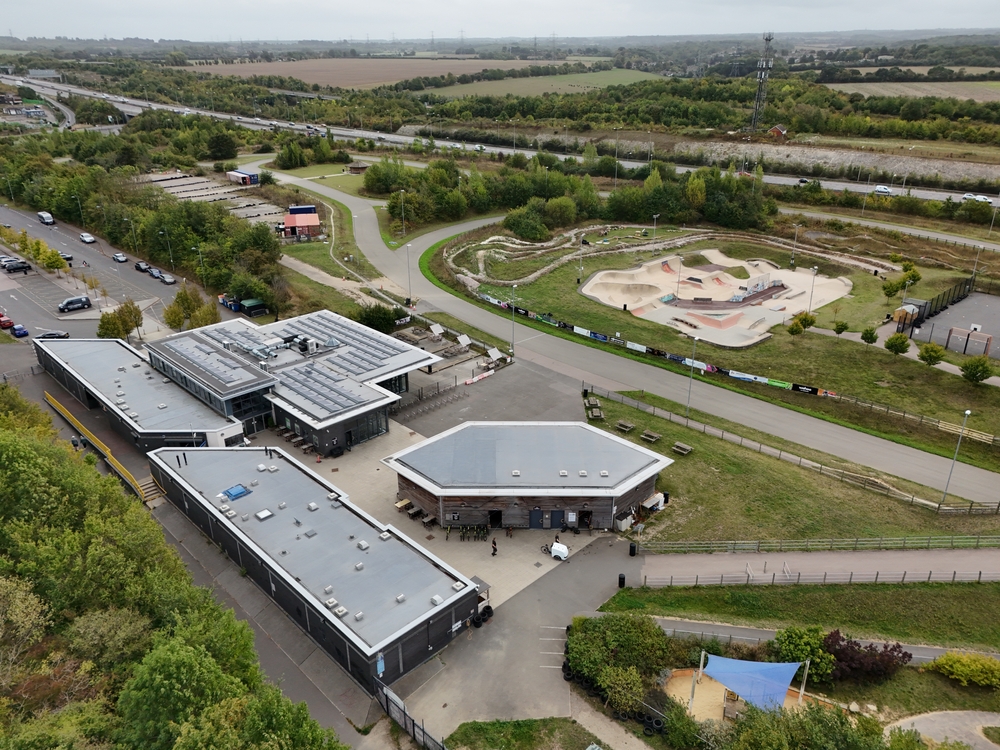
Each project is different, but they all share a common thread: buildings shape experiences.
Lighting, acoustics, layout, wayfinding and sensory environments all influence how intuitive, comfortable and welcoming a space feels.
When these elements are considered carefully, the result is not just a functional building. it’s a place that works for the widest possible range of people.
Better Teams, Better Places
Neurodiversity Celebration Week encourages organisations to recognise the strengths that come from different ways of thinking.
For us, that idea resonates strongly with how we work every day.
Great teams are not built from people who think the same way.
They are built from people who bring different perspectives, complementary strengths and a shared commitment to delivering something meaningful.
When those teams come together (whether within our own business or across a project team), the result is better ideas, better collaboration, and ultimately better places for people.
And that’s something worth celebrating.